UI / UX DESIGNING
Home|
UI / UX DESIGN
Discover our portfolio of unique and slick UI designs that captivate users and elevate digital experiences. Explore our innovative approach to user interface development, where creativity meets functionality to deliver unparalleled user engagement. Let us transform your vision into a visually stunning and intuitive digital interface.
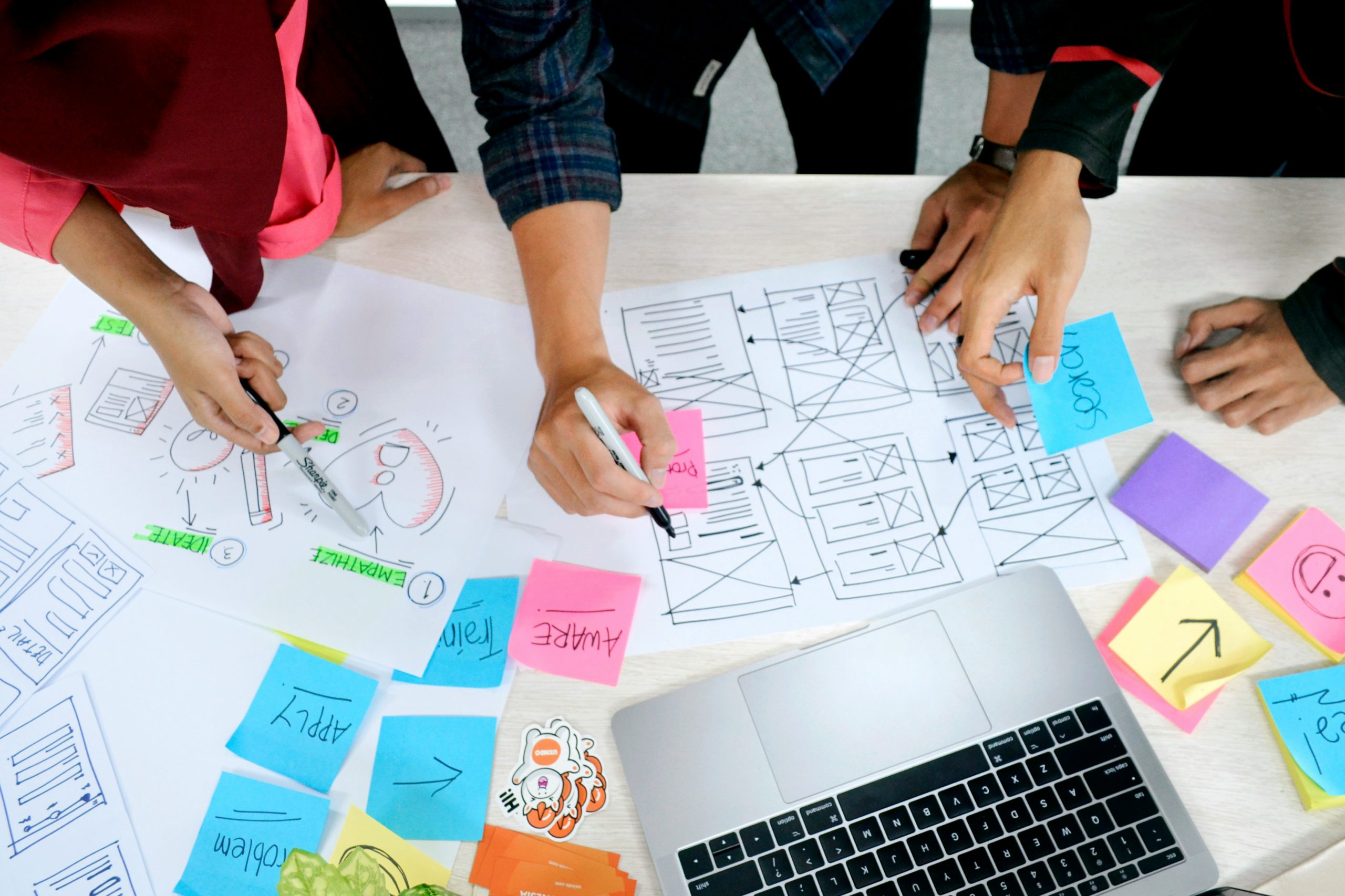
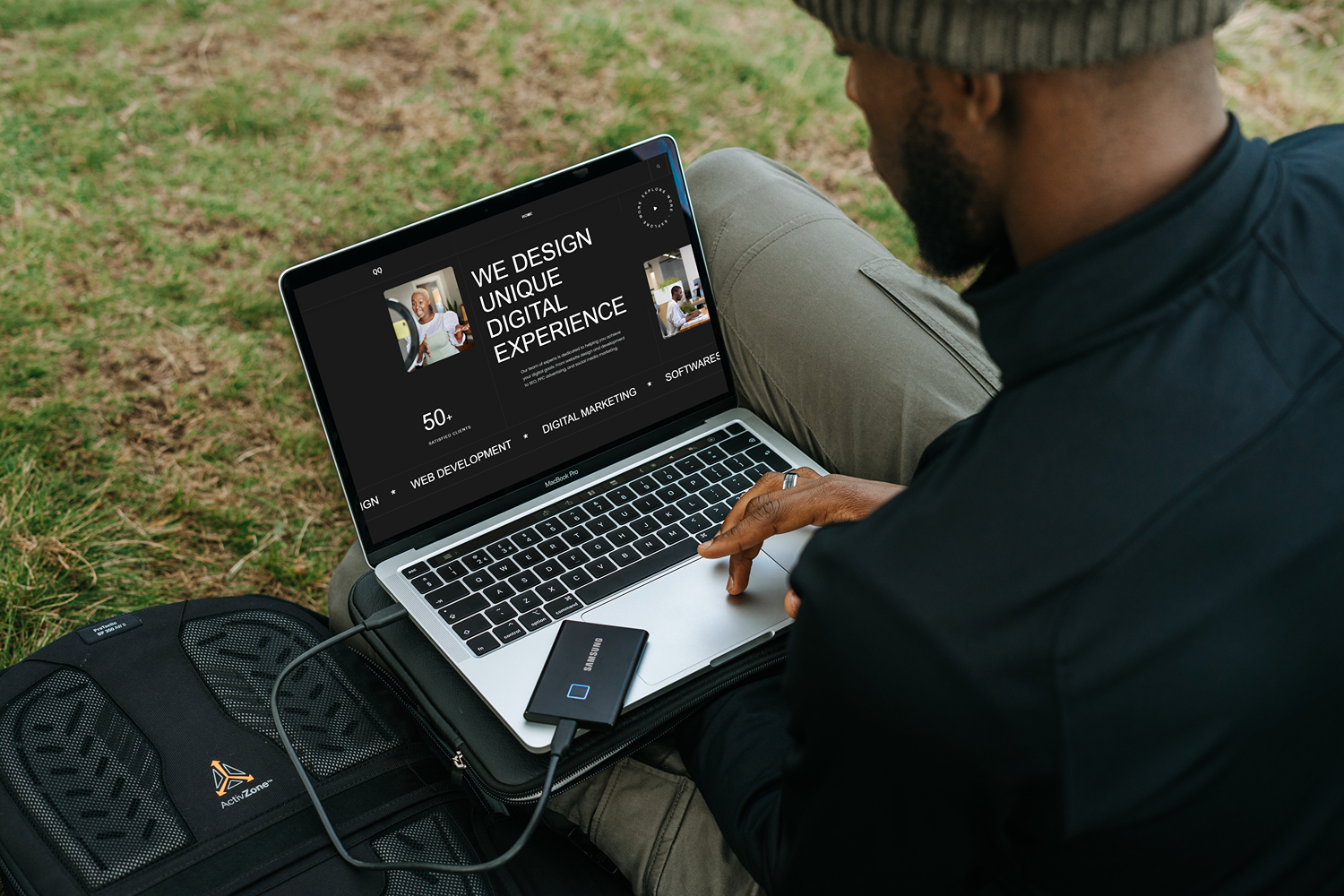
We blend creativity and functionality to craft stunning websites that captivate audiences. From sleek designs to seamless user experiences, we’re your partner in bringing your online vision to life.
-
Amazing communication. -
Best trending designing experience. -
Email & Live chat.
-
Analytics and Tracking -
Responsive Design -
Consistent Branding
OUR PROCESS
Business Development

Research
Clarifying and translating insights into foundation and creative approach


Concept
Clarifying and translating insights into foundation and creative approach

Implement
Clarifying and translating insights into foundation and creative approach

Handover
Clarifying and translating insights into foundation and creative approach

Research
Clarifying and translating insights into foundation and creative approach


Concept
Clarifying and translating insights into foundation and creative approach
Implement
Clarifying and translating insights into foundation and creative approach
Handover
Clarifying and translating insights into foundation and creative approach

FAQS
Frequently asked questions
What is UI/UX design?
UI/UX design refers to the process of creating user interfaces (UI) and enhancing user experiences (UX) to make digital products intuitive, accessible, and enjoyable for users. It encompasses elements such as visual design, interaction design, usability, and accessibility.
Why is UI/UX design important for digital products?
UI/UX design plays a crucial role in shaping user perceptions and interactions with digital products. A well-designed UI/UX enhances user satisfaction, increases engagement, and ultimately drives business success by improving retention rates, conversions, and brand loyalty.
What does the UI design process involve?
The UI design process typically involves research, wireframing, prototyping, visual design, and testing. It begins with understanding user needs and business goals, followed by creating wireframes and prototypes to visualize the user interface. Visual design focuses on aesthetics, while testing ensures usability and effectiveness.
What is the difference between UI design and UX design?
UI design focuses on the visual elements and layout of digital interfaces, such as buttons, colors, typography, and layout. UX design, on the other hand, encompasses the overall user experience, including usability, accessibility, navigation, and interactions, with the goal of creating intuitive and user-friendly products.
Can you explain the concept of responsive design in UI/UX?
Responsive design is an approach to UI/UX design that ensures digital interfaces adapt seamlessly to different screen sizes and devices, such as desktops, tablets, and smartphones. It involves flexible layouts, fluid grids, and media queries to provide an optimal viewing experience across various devices.
How do you prioritize features and functionality in UI/UX design?
Prioritizing features and functionality in UI/UX design involves understanding user needs, business goals, and technical constraints. Techniques such as user personas, user stories, and prioritization matrices help identify and prioritize key features to deliver maximum value to users.